
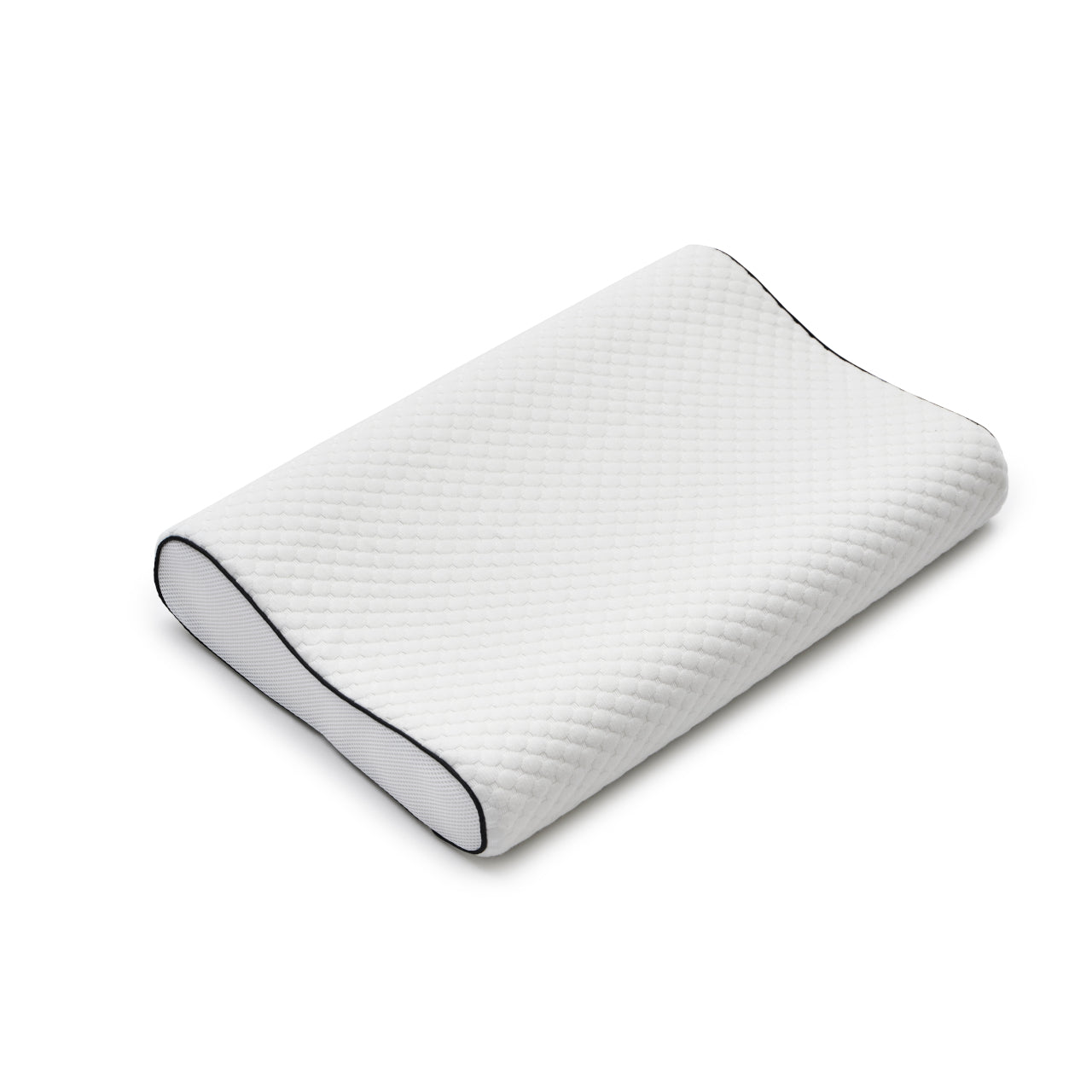
An ergonomic pillow should help fill the space between your head, neck and mattress without forcing the neck into an exaggerated angle. Because bodies and mattresses differ, adjustability is often more useful than a one-shape-fits-all promise.
Pillow height and sleeping position
Side sleepers usually need enough height to bridge the distance from shoulder to head. Back sleepers often prefer medium height that supports the natural neck curve. Stomach sleepers generally need a lower profile to avoid turning the neck upward. Mattress firmness changes how far the shoulder sinks and therefore changes the ideal pillow height.
Adjustable layers or mouldable filling
Layered pillows let you remove or add complete sections for predictable height changes. Mouldable memory filling allows smaller adjustments and can be shaped around the neck. Both approaches can work; choose according to whether you prefer a stable structure or a softer, more customisable feel.
Give adjustment time—but notice discomfort
A new pillow can feel different for several nights, especially after years with a very flat or high model. Make small changes and assess morning comfort. Persistent pain, numbness or headaches should be discussed with a healthcare professional rather than treated only by changing bedding.
This guide provides general product and comfort information. It is not medical advice and does not replace guidance from a qualified healthcare professional.